scrn e1478509354178

Applying the Bowen Technique

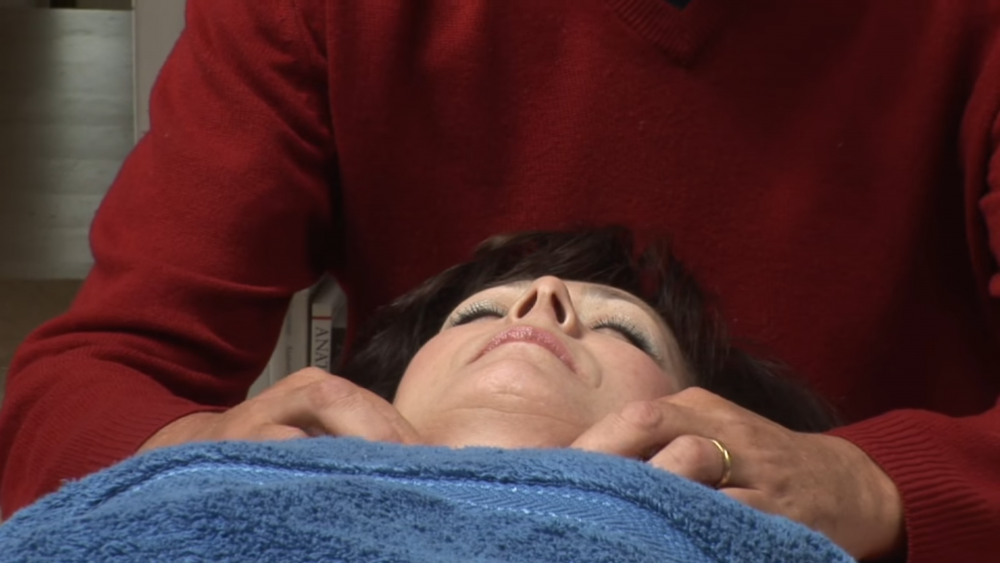
A short sample from the DVD series “Applying the Bowen Technique” by UK Bowen Therapist & Teacher John Wilks. The aim of the DVD series is to show how to apply the Bowen Technique in the real world. They give tips on how to asses your clients, how to give feedback, how to ask the right questions, & most importantly, how to which moves or which procedures you might want to use. These are not for training, but rather aim to help Bowen therapists and students apply their skills

Numero 38 e1476646400980

Depression and Bowen Therapy

The connections between the mind and the body are complex and powerful and can affect people in a multitude of ways, as therapists know very well.

The most common reasons for a patient seeking Bowen treatment falls in the category of physical problems – back pain, neck or shoulder problems, dodgy knees, creaky ankles, that sort of thing. But The Bowen Technique has the ability to deal with both mind and body as it works at integrating all aspects of a person’s wholeness by gently balances the systems.

The case histories below demonstrate this side of Bowen, as the person’s emotions and perspectives are influenced back towards well-being.

I am indebted to Bowen practitioner Pat Pendrill for the following case history. Pat is also a hypnotherapist and the client was originally referred to Pat for hypnotherapy.

Mrs C, a young woman of 29, was diagnosed with depression and was prescribed medication – Prozac. Mrs C stated she felt herself to be “on an emotional roller coaster, full of negative thoughts and very tense and snappy” and she hated taking this medication because it made her fuzzy.

At consultation, Mrs C was very uncertain about hypnotherapy so Pat discussed the Bowen Technique and she was very happy to try this as a treatment.

Seven days after the first treatment, Mrs C said that she had felt much more relaxed and asked Pat if she felt that Mrs C should stop her medication. Pat advised that this was something she should discuss with her GP.

By her third session, nine days later, Mrs C had seen her GP who had reduced her medication prior to withdrawal. Mrs C was much more positive and delighted with the effects of the Bowen Technique.

Eight days later, at her fourth session, Mrs C was relaxed and positive. She had successfully applied for a new job and was feeling able to cope well with her life. She asked if Pat would see her on a regular basis as she felt that Bowen helped her to relax and that it is “much better for me than medication”. They agreed that she would make an appointment when she felt it would help.

Mrs C has had several sessions since. She rings every 6-8 weeks.

The following case history is from Bowen practitioner Beth Darrall and illustrates very well how Bowen treatment can sometimes be the instrument of ‘breaking the dam’ of repressed or denied emotions and memories.

Beth wrote: “Barbara, a woman of 43, is quite a sensitive person and is currently ‘coming off’ anti-depressants. After the first basic Bowen moves, she immediately felt ‘spaced out’. After about half an hour, she got a terrific pain in her throat, whereupon there poured out all sorts of confessions about her childhood, and accounts of things she had never told anyone before (sexual abuse etc). Then she had a cry (I gave her Rescue Remedy & just listened). After this huge outburst of very personal horror stories, all of a sudden the pain in her throat cleared completely and she felt much brighter and somewhat amazed at what had happened.

Clearly, Bowen had prompted this enormous ‘‘release’. It certainly proves that Bowen works on many different levels.”

Because The Bowen Technique does not impose the will of the practitioner on the patient, we can feel assured that responses of this type are not forced on the patient and that, when they happen as a result of treatment, the person is able to cope with it physically, mentally, emotionally and spiritually.

Contents provided by the European School of Bowen Studies (ECBS)
The Bowen Technique – Moving depression
by Janie Godfrey

o ENTREPRENEUR facebook

Stress, Anxiety and Bowen Therapy

While stress and anxiety have no doubt always been a problem, it seems that modern life has created more stress than ever before, and more and more of us are finding ourselves too stressed out to function properly in our work and personal lives.  Dealing with stress can be difficult, but failing to deal with stress can be downright dangerous to long-term health.  Stress and anxiety can have detrimental effects on both our mental and physical health that can contribute to everything from heart disease and strokes to obesity and diabetes.

Having suffered anxiety and headaches for a long time, I was advised to try Bowen and was amazed at how good it was for me. I have since had further treatments for bad back amongst other ailments and after one, maybe two treatments I’m as good as new. I couldn’t be any happier with my treatments.
S H, Wokingham, Berkshire

Many recurring symptoms with no apparent trigger, such as general ‘achiness’, recurring illness, digestive problems, heartburn, acid reflux, insomnia, low mood, exhaustion, low tolerance levels and feelings of being overwhelmed are typically experienced when the body is in a state of prolonged stress.
Stress need not be emotional. It may result from excess mental or physical pressure eg. working long hours, ongoing conflict, pushing yourself particularly hard or perhaps experiencing or supporting others through a stressful or traumatic episode. Sleep deprivation, nutritional deficiency, environmental conditions, a virus, infection or some kind of trauma can all take their toll and lead to a build up of stress.

My first Bowen treatment was for stress. The effect was remarkable, so much so that colleagues remarked on how relaxed I looked. I also had a lot of pain in my right hip. Following regular Bowen treatments I have no pain at all.
J A, Crowthorne, Berkshire

About the Stress Response

The nervous system controls most of what goes on in our body. It manages 80-90% of our body’s function including the heart rate, breathing, digestion, hormone release, muscles, the immune system, blood pressure and repair processes. It splits into two branches:

  • The first speeds things up and produces the ‘fight or flight’ response that is essential for surviving dangerous situations (the sympathetic nervous system)
  • The second slows things down, calms us and gives us rest (the parasympathetic nervous system)

When we are healthy, these two branches are balanced. It is this balance that is vital for the body to stay in good health.

When we are under considerable and constant pressure to meet the demands of daily responsibilities, our body switches to ‘fight or flight’ and prepares us to do battle or to run for our lives. During prolonged periods of stress, ‘fight or flight’ commonly stays switched on and so our body never gets the message to rest. This is when we escalate into fear, anxiety and panic, leading to many anxiety and stress-related conditions. For some this can have a major impact on long-term health.

Bowen Therapy Switches Off the Stress Response

The Bowen Technique is a gentle, relaxing and highly effective hands-on therapy that can be very beneficial in addressing stress and anxiety-related conditions. By affecting the nervous system, Bowen helps to re-balance the body, promoting a reduction in stress levels, muscle tension relief, recovery of energy, healing and repair.

The unique Bowen moves trigger the brain to switch off the ‘fight or flight’ stress response and revert to its natural healing state. This state allows blood pressure, breathing rate and other vital processes to normalise and regenerate. This therapeutically induced ‘alpha state’ not only promotes a feeling of calm and relaxation, but is also crucial in creating new behaviour. The following statements are typical of patients returning for the second or third Bowen treatment.

‘I don’t know what it is, but I just feel better in myself’.

‘I feel somehow lighter, as if a heavy cloak has been lifted from my shoulders’.

‘I slept like a log after treatment and woke up feeling life was worth living’.

‘All of a sudden, I seem to know what I want/need to do and I’m making big decisions
about things now.’

Bowen therapy, introduced to the UK from Australia in the 1990’s, aims to balance the whole person, not just symptoms. Practically any problem can potentially be addressed, with many clients enjoying significant relief in as few as 3 treatments.

Written by Lindsay Evans
http://www.lindsayevans.co.uk/2013/11/focus-on-stress-and-anxiety/

frozen shoulder syndrome

Treating a frozen shoulder with Bowen Therapy

Ailment: Frozen Shoulder
Treatment: Bowen Therapy
Client: Dennis

Overview
Treating Dennis first presented to me in March of this year, having read of the Bowen Technique`s effectiveness in treating Frozen Shoulder.

He was at first very sceptical but willing to try anything after being told by his GP, a chiropractor and a specialist that nothing could be done to relieve his symptoms.

Dennis had fallen on black ice 15 months previously, leaving him with restriction and intense pain in his shoulder and also deadness tingling down his arm. In addition, he suffered severe neck pain and restriction, diagnosed as cervical spondylitis some 20 years previously, as well as extremely painful knees which was preventing him from being able to walk his dogs.

However, Dennis`s main concern was his shoulder pain (frozen shoulder) which was severely affecting his quality of life.

Bowen Therapy Frozen Shoulder Treatment Schedule

Week 1
The first Bowen Therapy treatment consisted of the basic relaxation moves to balance and prepare the body for more targeted moves the following week.

Week 2
In the second week I used Bowen Therapy techniques to works on Dennis`s shoulders and arms in addition to the basic moves.

Week 3
By week 3, Dennis had hardly any pain in his shoulder with the added bonus that his knees were no longer painful. However, he still had neck pain which needing treating.

The next wave of Bowen Therapy treatments were concentrated on his neck to try and ease his neck pain. Within 10 days of concentrating on this area his neck pain had completely gone and he was pain free.

I carried out Bowen Therapy treatment on a bi weekly basis and then on a monthly basis.

The pain from the cervical spondylitis in Dennis`s neck has been kept under control and to date there has been no re-occurrence of the shoulder pain or knee pain. The result was that Dennis can now enjoy walking his dogs

Frozen Shoulder Client Testimonial

“Both Denise (his wife) and I would like to thank you very much for your help. I personally was told by a physiotherapist, a specialist and a chiropractor that there was nothing that could be done for my frozen shoulder.

“I had been in a great deal of pain since falling down and having a frozen shoulder 19 months ago. All I can say is I wish I had known about you and Bowen Therapy before. I could have saved myself a great deal of unnecessary agony.

“Also you have greatly improved my damaged knees because before I came to see you I had to use compression bandages so that I could walk. I can now walk for miles without having to use any aids whatsoever. Once again thank you very much from Denise, both dogs and myself.”

By Julie Dexter, http://www.gotosee.co.uk/healtharticles/2008/12/treating-frozen-shoulder-bowen-therapy/

home slider 1

Bowenwork Offers a Safe & Effective Approach to Pain Relief

PRESS RELEASE – More than $30 billion was spent on complementary health care in the United States in one year according to an analysis of data in the 2012 National Health Interview Survey that was released on June 22, 2016.  The survey included children, as well as adults.  According to the survey, about 59 million Americans age 4 or older had at least one out-of-pocket expenditure related to a complementary health approach.

In a recent article published in the New York Times, the CDC issued guidelines to limit opioid painkiller prescriptions, the overuse of which has contributed to a “pervasive and deadly epidemic in the U.S.”, the agency’s director said.  So more and more people will need to seek a different method to address their pain.

An effective and complementary health approach to manage pain without using drugs, surgery or supplements is a technique called Bowenwork®.  This technique originated in Australia and was introduced to the US about 20 years ago.  Dr. Robert J. Rowen, known as the  “The Father of Medical Freedom” for pioneering the nation’s first statutory protection for alternative medicine in 1990, mentions Bowenwork as “The Gentlest, Most Effective Pain Therapy Ever” in “The Second Opinion” in July 2003. Daily Health News published an article in January 2005, Help from Head to Toe

So what is Bowenwork?

Bowenwork is a system of touch that initiates a series of responses through stimulation of the nervous, musculoskeletal, fascial and energetic systems of the human body.

Practitioners perform a sequence of gentle stimulations of specific points on the body, interspersed with rest periods. The Bowenwork “moves” stimulate nerve endings in muscles and the superficial fascia. The body’s response to this stimulation, which begins during the rest periods, includes a balancing of the autonomic nervous system and changes in the musculoskeletal system. These effects in turn remove blockages to the free flow of energy in the body. From the point of view of complementary health care, when the body’s nervous and energetic systems are in balance, its physical, emotional and mental functions are able to return to a healthy state.

The Philosophy and Practice of Bowenwork

The purpose of a Bowenwork session is to activate the innate healing mechanisms within the body so that, given time, the autonomic nervous system will self-regulate, energy will move more freely, and the body will heal to the extent it is able.

The work is gentle on the client’s body. In line with Bowenwork’s overarching philosophy of “Less is best,” practitioners aim to provide only enough inputs to elicit the body’s healing response. The number of inputs and length of the rest periods are determined for each client during each session; hence sessions do not have a fixed duration but rather can vary from a few moments to an hour, with the rest periods generally taking more time than the hands-on work.

Responses in the nervous and energetic systems can continue for up to 10 days after each Bowen session. Therefore, sessions are typically scheduled a week or two apart to allow these processes to complete before providing new input. The client is given self-care advice to stay appropriately hydrated, performing targeted gentle exercises daily, and seeking advice from other health-care providers as needed.

Here are several testimonials about this technique:

Anyone out there suffering from Fibromyalgia, Acid Reflux, Headaches, Sciatica or TMJ? I can say first hand that Bowenwork worked for me on all of those issues. It amazed me that the relief was almost immediate considering that I had been suffering for years. Treat yourself to some Bowenwork.” – Kathy, Redding, California

So friends and clients have been asking me how is Diana doing and did she really only have one Bowenwork session (almost 2 months ago). Well, I got to talk with Diana this evening and she reports that she is doing very well, moving/ walking/ living without sciatic pain, balance issues, headaches, digestive issues. Diana also shared that her chronic hand tremors (due to nerve damage from a previous medication) no longer trouble her. I could only reply to Diana that her response to Bowenwork is simply wild, wonderful and amazing”. Diana Vickie, California

Vickie Fu of BowenWorks Wonders

Vickie Fu stumbled across Bowenwork in 2012 looking to help her husband Richard who suffered chronic back pain & spasms for over 20 years with flare ups becoming more frequent and intense.  After 2 sessions of Bowenwork, his back pain & spasms RESOLVED!!  Over the next weeks, Vickie witnessed how wonderfully Bowen “worked” for herself, family members & close friends.  Soon after, she found herself learning and practicing on every willing body in her community to become a certified practitioner.  She realized her calling to be “hands on” in helping others live better and often times PAIN FREE within 1 to 3 sessions!

As a pharmacist, Vickie is familiar with how medications work & how they are prescribed to manage symptoms of acute and chronic conditions & disease states.  She is also well aware of the side effects, adverse effects, and the potential for addiction to some of these medications.  She views the current opioid epidemic in the U.S. as a breakdown on all fronts, finding millions abusing or addicted to opioid pain medications, costing billions in healthcare and hospitalizations, and hundreds of thousands of lives lost due to overdose over the past decade.

As a Bowenwork practitioner, Vickie strives for & confirms the “less is best” approach.  Her Bowenwork sessions stay true to the technique with pauses throughout, her clients experience significant pain relief and resolution, they rely less and less on drugs to manage their symptoms (e.g. muscle spasms, pain, headaches, migraines, congestion, constipation…) and a majority do not need to return weekly to stay well or pain free.

Because of how quickly and effectively Bowenwork “works”, it has given Vickie the opportunity to serve hundreds of people within a few years.  She continues to celebrate in her practice working with people at various ages & stages of health, providing “hands on” relief and help.  She sees using her hands to do Bowenwork offers hope, help and healing to those suffering and in pain.

Vickie earned her doctorate degree in pharmacy from the University of Southern California and her Bowenwork certification from the American Bowen Academy.  She started BowenWorks Wonders in her home office in Granite Bay and has recently relocated BowenWorks Wonders into a much larger office in Rocklin with 2 other certified practitioners.

What is Bowenwork?

Bowenwork is hands-on healthcare. Bowenwork is a profoundly effective & noninvasive therapeutic bodywork involving a sequence of small rolling movements made by the practitioner’s fingers and or thumbs over specific points on the body. With each sequence of movements and pauses made over muscles, tendons & ligaments, signals are sent to the autonomic nervous system processed to respond.

Response occurs during the session & into the next week towards rebalance & recovery, resulting in deep relaxation, resetting of muscle tension, changes in range of motion, lymphatic drainage/ detoxification & pain relief.

Because of the profound effects on the body as a whole, Bowen therapy has wide applications compared to other bodywork modalities.  It is helpful in alleviating symptoms of various acute injuries to chronic conditions, as well as keeping a healthy body operating optimally. It is safe, gentle & appropriate for all ages & stages of life from infants to the elderly and from the healthy & expectant mothers to the most clinically frail.

Conditions Addressed by Bowenwork:

While Bowen Therapy cannot be said to “cure” any condition, many therapists have been successful in addressing problems relating to these and other conditions.

  • Allergies
  • Colic
  • Crohn’s disease
  • Indigestion
  • Constipation
  • Chronic diarrhea
  • Hemorrhoids
  • Bed-wetting in children
  • Infertility
  • Menstrual pain
  • PMS
  • Anxiety
  • Depression
  • Fibroids in breast & uterus
  • Prostate problems
  • Chronic fatigue syndrome
  • Tinnitus
  • Earache & ear infections
  • Back pain
  • Frozen shoulder & shoulder pain
  • Tennis elbow
  • Carpal tunnel syndrome
  • Arthritis pain
  • Fibromyalgia
  • Scoliosis
  • Migraine & headache pain
  • TMJ syndrome
  • Postural & gait problems
  • Sports injuries
  • Shin splints
  • Plantar fasciitis
  • Knee & hip problems
  • Foot & ankle problems
  • Pelvic problems
  • Sciatica
  • Asthma
  • Bronchitis
  • Sinusitis

Bowenwork Therapy For Concussions

Bowen therapy is being used successfully to address acute concussions and Post Concussion Syndrome.

http://bowenworkswonders.com/press-release-bowenwork-offers-safe-effective-approach-pain-relief/

Fotolia 61379616 Subscription Monthly M 920x510

The Bowen Technique for Chronic Pain

Treatment for Chronic Pain

In this article, I would like to share with you some information concerning chronic pain, what it is, how it can affect the individual and how I work in practice to help clients suffering from this condition.

What is Chronic Pain?

Chronic pain is a type of pain that has been present over a longer period of time, generally, if pain has persisted or recurs over a period of 3 months it is referred to as chronic. Chronic pain may be related to a condition such as arthritis or diabetes or it may be the pain that results from an injury such as whiplash or pain that results from an operation after normal other healing has taken place. It may, however, have no detectable cause from an injury, operation or illness.

In a National pain audit conducted in 2009, it was reported that each year in the UK over 5 million people develop chronic pain and only two-thirds of these will recover. It is clear that much more needs to be done to improve outcomes for patients with this condition.

Services across the UK differ greatly from one NHS trust to another but treatment comprising of some of the following tends to be common; physiotherapy, talking therapies such as counselling or CBT (Cognitive Behaviour Therapy), drug therapy and occasionally other holistic therapies such as Acupuncture are also made available.

The effects of chronic pain

The effects of chronic pain can vary significantly from individual to individual, depending on the illness the individual is dealing with. The psychological effects of chronic pain are a major consideration in any treatment regime.

Self-help tips to manage chronic pain

Some self-help tips that may help with chronic pain include;

  • Meditation / mindfulness
  • Gentle stretching
  • Gentle Tai Chi
  • Gentle yoga
  • Supplementation of specific minerals ie magnesium

NB The efficacy of the above will really vary from person to person and the type of pain they are dealing with. It is a good idea to seek advice before commencing with any of these.

How The Bowen Technique can help with chronic pain

I have worked with many people experiencing chronic pain of varying degrees over the years and Bowen really seems to help them.

The points highlighted below I believe are reasons why this technique is so effective.

Bowen is gentle

Light touch often elicits significant benefit in the body and many studies have confirmed that the lighter the touch, the more effective and profound the effect of treatment can be.

The Bowen Technique is incredibly gentle and involves light moves being applied to different parts of the body. The moves are often made over muscles, tendons, ligaments, fascia, joints and occasionally nerves. Treatment aims to stimulate the nervous system and body to begin a process of healing, repair and rejuvenation.

Bowen works on many levels

The Bowen moves are made at key structural points on the body which the brain uses as natural reference points to determine the body’s posture. As a result, the moves can have a huge effect on the way the body holds itself.

The nervous system – sensory information is induced by the Bowen move which reaches the spinal cord passing through the nerve pathways to the different centres of the brain. At this point the information is shunted back and forth via a complex self-corrective feedback mechanism, this info is then sent back down the spinal cord to the individual muscles for correction to take place.

Bowen work will also often have a positive impact an individual’s emotional state and there are specific procedures that can be used to address anxiety and emotional issues.

The importance of Fascia

Fascia is connective tissue that covers all of the structures of the body and allows flexibility and free flowing movement throughout the whole body. The body maintains structure through its relationship with key structural bands of muscle via fascia. One key function of fascia bands is to maintain upright structure. If there is tension or weakness in the fascia a range of reactions can result such as pressure on nerves, tension in the musculature on one side and compensation patterns being set up in the rest of the body.  In Bowen, we directly affect fascia by changing the way in which the muscles and fascia relate to each other and a change in structure becomes inevitable whereby the structure of the body will adopt a better position and the body will be better able to function. To highlight how important and how effective treating fascia is I give an example that the fascial system contains 10x more receptors than muscles, these receptors send messages directly to the brain.

Bowen is holistic and dynamic

Our bodies are complex systems that work as a whole and generally, when one system is out of balance a knock on effect will be experienced elsewhere. Bowen work will often have an impact on a multitude of symptoms that an individual may be experiencing.

Written by:
Helen Mawson, BSc Hons.
DipM. BTAA. BAUK
http://www.complete-balance.co.uk/

services banner myositis

Fantastic fascia and why Bowen Therapists love it

Fascia isn’t ‘main-stream’ yet, but it’s getting there. A new appreciation of fascia has begun throughout the health and wellbeing industries as a way of explaining and treating injuries, but fascia is something we Bowen therapists have been working with and on for years. You could say we’re fascinated with fascia.

Injuries and a wide range of health problems may be treated by working on the fascia, including babies with colic, adults with work related injuries, continual compromised posture, seniors with any of the problems that are common with old age and athletes with acute or chronic injuries.

If you haven’t already heard of fascia, it’s a connective tissue made mainly from tightly woven collagen fibres which surround every other tissue of the body including our nerves, bones, arteries, veins and muscles.

Every single part of your anatomy is encased in and connected by fascia. It wraps around your individual internal parts keeping them apart and lubricating them for easy movements. Fascia keeps your body taut, it’s your body’s first line defense against injury and it’s the first place health problems or injuries should be treated.

Despite that, fascia hasn’t been studied much because the medical world has struggled to understand what its real function is, but it’s certainly more than just packaging that holds our bones and muscles together under our skin. Fascia is vital for every movement you make and every injury you’ve ever had but, until a few years ago, nobody paid it much attention.

The first International Fascia Research Congress was held at Harvard Medical School in 2007 and since then medical professionals and body workers, including Bowen therapists, have been learning as much about fascia as they can.

Author of Anatomy Trains, was one of the first medical professionals to study and understand fascia in the human body. He explains why fascia is so vital to our well-being:

“While anatomy lists around 600 separate muscles, it is more accurate to say that there is one muscle poured into six hundred pockets of the fascial webbing. The ‘illusion’ of separate muscles is created by the anatomist’s scalpel, dividing tissues along the planes of fascia. This exploratory process should not blind us to the reality of the unifying whole.”

 Here’s why Bowen therapists love facsia

1. Fascia holds human bodies together

Fascia organises muscles into functional units. Each muscle layer is surrounded by fascial sheaths. The outermost fascial sheath is the epimysium which organises muscle and keeps it separate from the surrounding tissue.

2. Fascia is essential for our physical well-being

Scar tissue is made of bunched up, disorientated and dehydrated fascia but it’s vital for injury repair too. Bowen therapy helps to reorientate these fibres so it helps with the rehabilitation process.

3. Fascia affects how our muscles work

Although scar tissue is useful, if muscle groups are underused and don’t work together, then fascial sheaths can start to stick together creating adhesions which can then cause the muscles to lose independent movement and cause pain. Lack of activity also causes once-supple fascia fibres to harden into place and restricts movement even further.

4. Fascia affects how our bodies move

Adhesions can also form within fascial layers as cross linkages which can pull bones out of alignment causing bad posture or restricted movement. Poor posture, lack of flexibility and repetitive movements can damage the fascia creating adhesions, which are difficult to break down.

5. Fascia is affected by and affects your mental and physical health

Fascia impacts the way you move physically but it’s also a sense organ which can contract independently of the muscles it surrounds and respond to stress without conscious command. Chronic stress causes the fascia fibres to thicken in an attempt to protect the underlying muscle.

The good news is that any damage you’ve caused your fascia is often resolved with between one and three Bowen treatments.

The term fascia isn’t main-stream yet but it should be, especially for those in the health and wellbeing industry and for all body workers, not just for Bowen therapists. Let’s all embrace this amazing communication network and take health care to a new level.”

This post originally appeared on Kristin’s blog, here: http://www.northstarhealingtherapies.com.au/fantastic-fascia-and-why-bowen-therapists-love-it/.

SuperficialBackMuscles e1473417550866

How Bowen Therapy Works

There are many theories about the physiological mechanisms by which the Bowen Technique brings about the results for which it is famous. In addition to the rebalancing of the ANS, described earlier, Bowtech moves and procedures may reset the body to heal itself by activating, through the nervous and endocrine systems among others, the following mechanisms:

  • Stretch reflex: Most moves are done either at the origin, insertion or belly of muscles where receptors are located, informing the nervous system on the state of tension, length or stretch in the musculotendinous tissue. These receptors are stimulated during the 'challenge' and the 'rolling' part of the Bowen move which changes the stimulus received by the nervous system. This can change a pain/muscle spasm loop.
  • Joint proprioceptors: All moves done around a joint directly affect the joint capsule and ligaments that are richly innervated with proprioceptors. Here again, stimulus will be received by the nervous system, inviting normalization of the joint function without the need for forceful manipulation. Research (Carter, Bernie, 2002, 'Clients experiences of frozen shoulder and its treatment with Bowen technique', Complementary Therapies in Nursing and Midwifery, v. 8, pp. 204-210) has confirmed increases in the range of motion in restricted joints.
  • Fascia: Each Bowen move is done at the level of the superficial fascia and affects the relationship between the fascia and the nerve, muscle or tendon being mobilized. Fascia plays a major role in muscle co-ordination, postural alignment and overall structural and functional integrity. All of these are negatively affected when the fascia stiffens, contracts, torques or dehydrates. Following a Bowtech session it is not uncommon to see adhesions loosen up, scar tissue soften and posture and mobility improve without harsh mobilization or stretching.
  • Segmental viscerosomatic spinal reflexes: Several Bowtech moves engage these reflexes. They produce referred reactions to the internal organs through stimulation of the skin, muscles and nerves.
  • Harmonic vibration or resonance model: Bowenwork moves set up vibrational patterns which bring the body back into balance and harmony.
  • Lymphatics: Some Bowtech procedures activate draining of the lymphatic system stimulating the immune system.
  • Detoxification is often initiated during a Bowen session, thereby improving the body's ability to function at a cellular level.

muscles

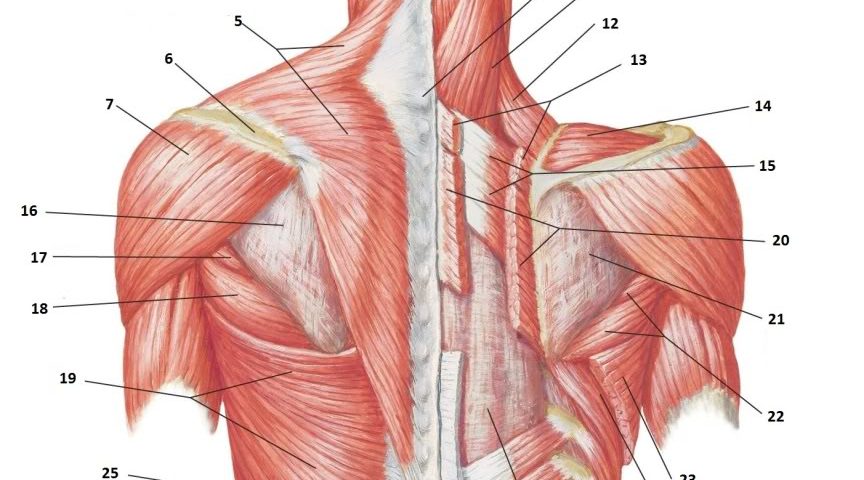
The continuity of muscles up the back and down the legs means that this relationship is given a lot of attention in Bowenwork sessions. Manipulation of these muscles can have a profound effect on the spine and posture.