
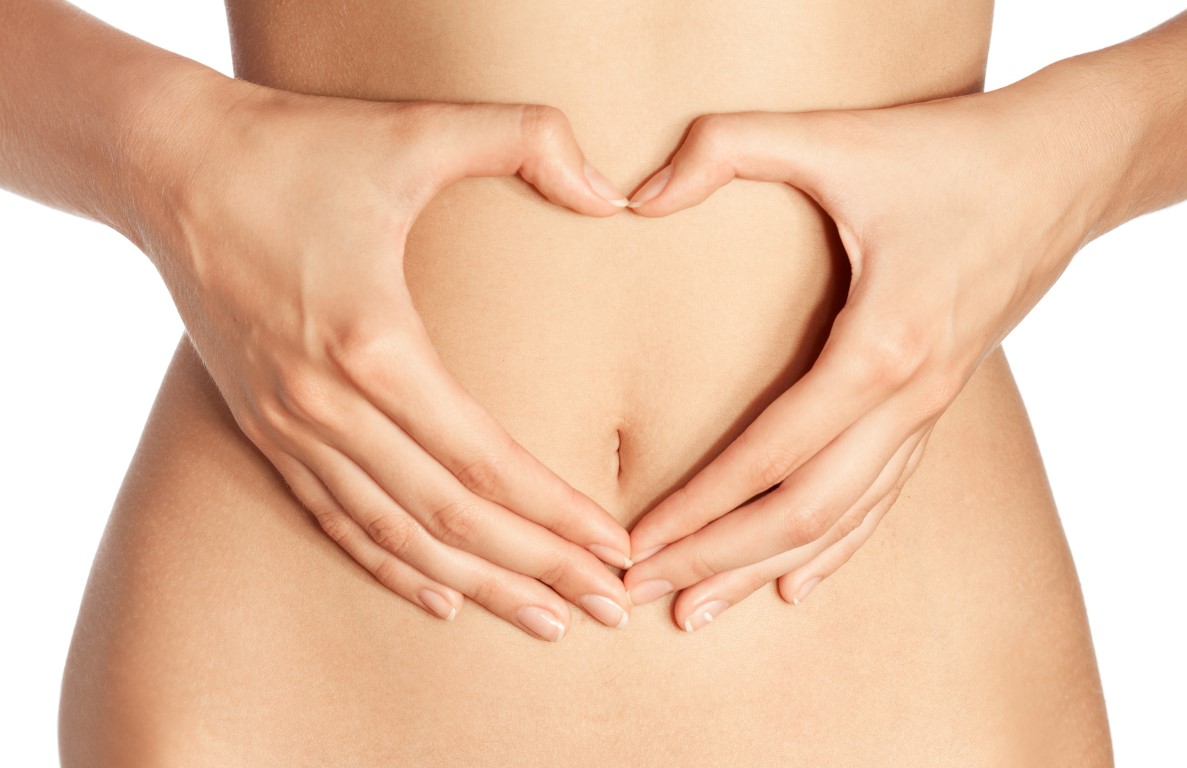
digestione sana Medium

Curing Digestion Problems With Bowen Therapy

When people think of Bowen therapy they tend to think of it as a specialized treatment for physical problems like bad backs, unresolved neck and shoulder problems or arthritic conditions. Bowen Therapy is a versatile healing modality that aids many different issues such as relieving hormone imbalances and infertility, mental health problems and improving the function of our internal organs, just to name a few.

Our internal organs and blood vessels are held in position by a web of connective tissue (fascia) that are supported by muscles and encased by the skeleton for protection and containment. The spine provides stability and an anchorage for these structures.

Fascial adhesions and scar tissue from surgery, injury or trauma can dehydrate and distort organ (visceral) positioning. This means that your organ function will be compromised which can lead to all kinds of health problems, from general tiredness to much more serious conditions.

Bowen therapy helps to break down adhesions and encourages re-hydration of your internal surfaces. Adhesions and dehydrated tissues restrict the slip and slide action of the organs against one another in the abdominal and thoracic cavities, so by releasing tension in these areas it will enable better organ positioning and improved cellular function throughout, allowing your organs to function more efficiently.

How can Bowen improve your digestion?

The digestive system processes food so that nutrients can be absorbed into the bloodstream which are then utilized throughout the body’s systems. The digestive system is responsible for food and water ingestion, digestion, absorption and elimination of waste products from the body. This process is both physical and chemical. The physical aspect of digestion takes place in the gastrointestinal tract that includes the mouth, esophagus, stomach, small and large intestines and the chemical processes are known as enzymatic action and originates in another five areas of the body: the salivary glands, stomach lining, pancreas, liver and the walls of the small intestine. It is vital that all these organs are functioning properly to ensure that you are getting the correct balance of nutrition from the vitamins and minerals in your diet for optimum digestive performance.

Thinking about food activates the salivary glands in preparation for digestion, we have all had the experience where the thought of delicious food which caused us to salivate; this is the beginning of the digestive process, then the body prepares itself by secreting enzymes into the digestive tract to start breaking down the food we ingest.

The Bowen Technique aids in this process by switching our autonomic nervous system from Sympathetic (fight, fright, flight) to Parasympathetic (rest, relax, repair, digest) and addresses fascial adhesions that may be causing imbalances within the body.

The gastrointestinal tract is sensitive and responsive to conditions that effect the internal and external environments of the body, eg. nervousness and anxiety (knots in the stomach) interfere with the stomach and digestion; eating while agitated, fatigued or worried may cause gastrointestinal disturbances, inhibiting digestive secretions resulting in the redirection of blood supply to the muscles (in preparation for fright, fight or flight) rather than to the digestive tract, and the absorption of nutrients.

Weight problems and digestive disorders such as wheat and diary intolerance are becoming more and more prevalent in our modern society and are generally associated with a high stress lifestyle which places tension on the tissues resulting in the inability to assimilate nutrients effectively.

When organs are not functioning properly because they have tight adhered tissues, our body’s won’t be able to assimilate the required nutrients no matter how healthy and nutritious the foods are.

The seven essential minerals required by the body for optimum health are sodium, potassium, phosphorus, chloride, calcium, magnesium and sulphur, with approximately 10 other trace elements. Fat-soluble and water-soluble vitamins also work together to keep our bodies functioning. Without all these necessary vitamins and minerals circulating in our blood stream the body won’t be able to function properly which results in disease and dysfunction.

Good digestion is vital for good health. Bowen Therapy can help the body to optimise your nutrient uptake and hydration by reducing tissue tension and allowing the adhered tissues to remember their proprioreceptive positioning hence better digestive processes .

How can Bowen improve your organ function?

There are many reasons why your body may not be functioning adequately. Switching on the parasympathetic nervous system (rest, relax, repair) during a Bowen Therapy session redirects blood supply to the vital organs and optimizes internal functions, remembering that there are numerous organs within the body’s thoracic and abdominal cavities:

  • Small intestine and Large intestine
  • Stomach, Spleen and Pancreas
  • Liver and Gall Bladder
  • Kidneys, Adrenals and Urinary Bladder
  • Lungs, Heart and Reproductive organs

The body is made up of numerous systems containing organs and if one is not functioning properly it will ultimately affect the surrounding organs, systems and therefore the body as a whole. Proper organ function relies on a healthy hydrated fascial environment for the internal tissues to slip and slide against one another, tissues to be orientated so electrical impulses may be transferred uninterrupted via the nervous system and the muscular skeletal structures to be in the correct position. Bowen Therapy is a catalyst for this, through treating fascial adhesions and allowing better cellular hydration, nutrition assimilation, increased blood supply, efficient waste elimination and movement of tissues.

You are able to aid your own health by ensuring adequate water intake, making sure you drink the recommended two litres of water daily. Dehydrated and adhered cellular tissue can create dysfunction in a localised region, which over time ultimately affects all surrounding tissues and structures. When left untreated, problems can escalate as the rest of the body is forced to compensate.

This is how Bowen Therapy is used to help correct and then maintain efficient organ and cellular function digesting food, assimilating vitamins, minerals and nutrients and eliminating waste more efficiently. Only then can your body function efficiently.

Author: Kristin North
Content from: www.northstarhealingtherapies.com.au/bowen-for-digestion-and-organ-function/


Treatments for Migraine Headaches

Curing Headaches and Migraines with Bowen Therapy

Definition
headache or cephalgia is pain anywhere in the region of the head or neck. It can be a symptom of a number of different conditions of the head and neck. The brain tissue itself is not sensitive to pain because it lacks pain receptors. Rather, the pain is caused by disturbance of the pain-sensitive structures around the brain. Nine areas of the head and neck have these pain-sensitive structures, which are the cranium (the periosteum of the skull),  muscles, nerves, arteries and veins, subcutaneous tissues, eyes, ears, sinuses and mucous membranes.
Headaches are generally classified into two main types: primary headaches and secondary headaches.
migraine, which is a disabling, recurring headache that frequently occurs only on one side of the head. A Migraine is one type of primary headache. A migraine is a chronic headache in which blood vessels constrict and dilate, releasing inflammatory substances that cause painful pulsations. The mild to severe pain can last from four hours up to a week, two to four times a month and often results in other symptoms.
Other primary headaches include cluster and tension headaches. Tension-type headaches are the most common headache, and are often experienced as mild, dull pressure without other accompanying symptoms. Cluster headaches, which are less common than migraines or tension headaches, usually bring severe pain (sometimes described as “stabbing” pain) behind one eye, and may be accompanied by redness and nasal congestion.
The other main type of headache is called a secondary headache. These headaches, while relatively rare, are more serious than primary headaches. That’s because they are often caused by other serious health problems or underlying conditions, such as brain aneurysms or tumors, dysfunctions of the spinal fluid, or inflammatory diseases. In order to treat secondary headaches, a doctor must first diagnose and treat the underlying condition that’s caused the headache.
NB: If you suspect you might be suffering from a secondary headache, it is advisable to seek immediate medical attention!

Causes of Primary Headaches

There is little research to confirm the exact cause of Primary headaches. Primary headaches occur because of physical or emotional stress placed on the body.

For example, these stressors can cause the muscles surrounding the skull to clench the teeth and go into spasm. Physical stressors include difficult and prolonged manual labour, or sitting at a desk or computer for long periods of time concentrating. Emotional stress also may cause tension headaches by causing the muscles surrounding the skull to contract.

Tension headaches are commonly attributed to the following factors:
  • Stress
  • Depression
  • Anxiety
  • Clenching one’s jaw
  • Dehydration
  • Diet – a poor diet and lifestyle could cause headaches. The excessive consumption of alcohol, sugar and caffeine could result in primary headaches.
  • Musculoskeletal dysfunction
  • Physiological dysfunction
  • Bad posture
  • Staying in one position for a long time
  • Working in an awkward position for a long time
  • Food allergies – In some people, certain foods and drinks — or components they contain — can trigger a migraine/headache. One well-accepted migraine trigger is tyramine.
Primary headaches include Migraine Headaches, Tensions Headaches and Cluster Headaches. The symptoms of each are discussed below.

Symptoms of a Migraine Headache
A migraine headache can range from moderate to severe, causing intense pulsing, throbbing or pounding sensations in your head. Usually one side of the head is affected, however in some cases both sides may be affected. Other distressing symptoms include:
  • Sensitivity to light, noise or odors
  • Blurred vision
  • Nausea or vomiting, upset stomach, abdominal pain
  • Loss of appetite
  • Sensations of being very warm or cold
  • Paleness
  • Fatigue
  • Dizziness
  • Fever (rare)
  • Bright flashing dots or lights, blind spots, wavy or jagged lines (aura)

Symptoms of a Tension Headache
Tension (Muscle contraction) headaches – also known as myogenic headaches, are caused by the tightening/tensing of facial and neck muscles, these account for nearly 90% of all headaches. Researchers at the University of Copenhagen reported in the Journal of Clinical Epidemiology that 3% of the population has chronic tension-type headaches.
Common presentation of tension headaches includes the following:
  • Pain that begins in the back of the head and upper neck and is described as a band-like tightness or pressure. It may spread to encircle the head.
  • The most intense pressure may be felt at the temples or over the eyebrows.
  • The pain can vary in intensity but usually is not disabling, meaning that the sufferer may continue with daily activities. The pain usually is bilateral (affecting both sides of the head).
  • The pain is not associated with an aura (see below), nausea, vomiting, or sensitivity to light and sound.
  • The pain occurs sporadically (infrequently and without a pattern) but can occur frequently and even daily in some people.
  • The pain allows most people to function normally, despite the headache.

Symptoms of a Cluster Headache
Cluster headaches are headaches that come in groups (clusters) separated by pain-free periods of months or years. A patient may experience a headache on a daily basis for weeks or months and then be pain free for years. This type of headache affects males more frequently and often begins in adolescence but can extend to those in middle age.
  • During the period in which the cluster headaches occur, pain typically occurs once or twice daily, but some patients may experience pain more than twice daily.
  • Each episode of pain lasts from 30 to 90 minutes.
  • Attacks tend to occur at about the same time every day and often awaken the patient at night from a sound sleep.
  • The pain typically is excruciating and located around or behind one eye.
  • Some patients describe the pain as feeling like a hot poker in the eye. The affected eye may become red, inflamed, and watery.
  • The nose on the affected side may become congested and runny.

Diagnosis

The key to making the diagnosis of any headache is the history given by the patient. The health care professional will ask questions about the headache to try to help make the diagnosis. The questions are designed to provide insight into the quality, quantity, and duration of the pain.

Guidelines have been set out to evaluate and manage adult patients who have a non-traumatic headache of acute onset.

Statistically, headaches are most likely to be primary (non serious and self-limiting). Certain specific secondary headache symptoms may demand specific treatment or may be warning signals of more serious disorders. Differentiating between primary and secondary headaches can sometimes be difficult.

As it is often difficult for patients to recall the precise details regarding each headache, it is often useful for the sufferer to fill-out a “headache diary” detailing the characteristics of the headache.

The diagnosis by the health care professional will establish whether the headache is a primary or secondary headache. Secondary headaches are generally distinguished by neurological symptoms that accompany a very severe headache—your doctor can give you a neurological examination to rule out a secondary headache.

If in doubt about the type of head pain you are dealing with, consult your doctor.


Treatment of Headaches
The ideal treatment for tension headaches depends on many factors, including the patient’s overall physical and mental health and lifestyle.
Allopathic Treatment
The Allopathic approach to the treatment of Headaches can include the following:
  • Painkillers – such as aspirin, acetaminophen (paracetamol, Tylenol), naproxen and ibuprofen. Prescription drugs are also available for more severe symptoms, including naproxen, indomethacin and ketorolac.
  • Patients with severe migraine or headache who are hospitalized may benefit from intravenous medications.
  • Combination drugs – aspirin or acetaminophen may be combined with a sedative or caffeine.
  • Triptans and opiates – for sufferers of both migraines and tension headaches. Triptans are effective in relieving the symptoms of both tension headaches and migraines. With opiates there is a risk of dependency and unpleasant side effects.
Scientists at The University of Adelaide in Australia reported on a study that found that frequent and large doses of codeine can result in greater sensitivity to pain.
Other Treatment/Management Options

Hot or cold showers – some people find that taking a shower helps. While one person may benefit from a hot shower, others may find a cold one gives better results.

Lifestyle – some simple changes in lifestyle may reduce, and sometimes completely eliminate the recurrence of headaches. Getting enough sleep, doing plenty of exercise, stretching the neck and back muscles regularly may be all you need.

Diet – are you eating properly? A good diet with plenty of fruit, vegetables, minerals and fiber will help you stay in good health and might help reduce the intensity and frequency of your headaches.

Depression – if the tension headache is chronic (long-term), there is a chance you could be suffering from depression.

Stretching and strengthening modalities – Yoga and Pilates create flexibility and strength throughout the body. Helping to release tension and engage core muscles which improve balance and posture as well as create mobility throughout the body. This will help reduce the risk of musculoskeletal and physiological dysfunction which catalyses the onset of the headache.

A headache diary – if you keep a diary it may help you identify your headache triggers. When a headache starts write down when it started, include notes of what you drank and ate during the previous 24 hours. Note down how long you had slept, whether it was a good night’s sleep, when you slept. Record in your diary what was happening in your life immediately prior to the onset of your headache – were you under unusual stress? Write down how long the headache lasted, and if you can, what made it stop.

Bowen Therapy Headache/Migraine Treatment

Bowen Therapy is a holistic healing modality. This means that no ailment is treated in isolation – the entire body is addressed as a whole. This is particularly effective in the treatment of headaches and migraines, which may have multiple potential causes.

Allopathic treatments are largely focused on the symptoms (such as the throbbing pain in your head) as opposed to the cause – which may originate from one or more underlying musculoskeletal and/or physiological dysfunctions.

Bowen Therapy offers an effective alternative treatment for both acute and chronic primary headaches, including migraines, tension headaches, cluster headaches, etc. Bowen Therapy is a natural, holistic approach to healing, using precise, targeted stimuli to activate the central nervous system – addressing dysfunctions within the body and activating the body’s natural ability for self-regulation and healing – thus restoring balance. This is referred to as “homeostasis”.

Please see the Science of Bowen Therapy section for more information.

Secondary headaches require immediate medical attention, as they are attributed to potentially life-threatening ailments, which may require chronic medication and/or surgical intervention. Bowen Therapy does, however offer alternative/complementary post-treatment options. Bowen Therapy can work alongside allopathic treatments to support the healing process, improve overall health and well-being and strengthen the immune system.

For more information regarding Bowen Therapy, and how this treatment can assist you, please do not hesitate to contact us.

Article by: http://www.bodydynamics.pro/

home slider 1

Bowenwork Offers a Safe & Effective Approach to Pain Relief

PRESS RELEASE – More than $30 billion was spent on complementary health care in the United States in one year according to an analysis of data in the 2012 National Health Interview Survey that was released on June 22, 2016.  The survey included children, as well as adults.  According to the survey, about 59 million Americans age 4 or older had at least one out-of-pocket expenditure related to a complementary health approach.

In a recent article published in the New York Times, the CDC issued guidelines to limit opioid painkiller prescriptions, the overuse of which has contributed to a “pervasive and deadly epidemic in the U.S.”, the agency’s director said.  So more and more people will need to seek a different method to address their pain.

An effective and complementary health approach to manage pain without using drugs, surgery or supplements is a technique called Bowenwork®.  This technique originated in Australia and was introduced to the US about 20 years ago.  Dr. Robert J. Rowen, known as the  “The Father of Medical Freedom” for pioneering the nation’s first statutory protection for alternative medicine in 1990, mentions Bowenwork as “The Gentlest, Most Effective Pain Therapy Ever” in “The Second Opinion” in July 2003. Daily Health News published an article in January 2005, Help from Head to Toe

So what is Bowenwork?

Bowenwork is a system of touch that initiates a series of responses through stimulation of the nervous, musculoskeletal, fascial and energetic systems of the human body.

Practitioners perform a sequence of gentle stimulations of specific points on the body, interspersed with rest periods. The Bowenwork “moves” stimulate nerve endings in muscles and the superficial fascia. The body’s response to this stimulation, which begins during the rest periods, includes a balancing of the autonomic nervous system and changes in the musculoskeletal system. These effects in turn remove blockages to the free flow of energy in the body. From the point of view of complementary health care, when the body’s nervous and energetic systems are in balance, its physical, emotional and mental functions are able to return to a healthy state.

The Philosophy and Practice of Bowenwork

The purpose of a Bowenwork session is to activate the innate healing mechanisms within the body so that, given time, the autonomic nervous system will self-regulate, energy will move more freely, and the body will heal to the extent it is able.

The work is gentle on the client’s body. In line with Bowenwork’s overarching philosophy of “Less is best,” practitioners aim to provide only enough inputs to elicit the body’s healing response. The number of inputs and length of the rest periods are determined for each client during each session; hence sessions do not have a fixed duration but rather can vary from a few moments to an hour, with the rest periods generally taking more time than the hands-on work.

Responses in the nervous and energetic systems can continue for up to 10 days after each Bowen session. Therefore, sessions are typically scheduled a week or two apart to allow these processes to complete before providing new input. The client is given self-care advice to stay appropriately hydrated, performing targeted gentle exercises daily, and seeking advice from other health-care providers as needed.

Here are several testimonials about this technique:

Anyone out there suffering from Fibromyalgia, Acid Reflux, Headaches, Sciatica or TMJ? I can say first hand that Bowenwork worked for me on all of those issues. It amazed me that the relief was almost immediate considering that I had been suffering for years. Treat yourself to some Bowenwork.” – Kathy, Redding, California

So friends and clients have been asking me how is Diana doing and did she really only have one Bowenwork session (almost 2 months ago). Well, I got to talk with Diana this evening and she reports that she is doing very well, moving/ walking/ living without sciatic pain, balance issues, headaches, digestive issues. Diana also shared that her chronic hand tremors (due to nerve damage from a previous medication) no longer trouble her. I could only reply to Diana that her response to Bowenwork is simply wild, wonderful and amazing”. Diana Vickie, California

Vickie Fu of BowenWorks Wonders

Vickie Fu stumbled across Bowenwork in 2012 looking to help her husband Richard who suffered chronic back pain & spasms for over 20 years with flare ups becoming more frequent and intense.  After 2 sessions of Bowenwork, his back pain & spasms RESOLVED!!  Over the next weeks, Vickie witnessed how wonderfully Bowen “worked” for herself, family members & close friends.  Soon after, she found herself learning and practicing on every willing body in her community to become a certified practitioner.  She realized her calling to be “hands on” in helping others live better and often times PAIN FREE within 1 to 3 sessions!

As a pharmacist, Vickie is familiar with how medications work & how they are prescribed to manage symptoms of acute and chronic conditions & disease states.  She is also well aware of the side effects, adverse effects, and the potential for addiction to some of these medications.  She views the current opioid epidemic in the U.S. as a breakdown on all fronts, finding millions abusing or addicted to opioid pain medications, costing billions in healthcare and hospitalizations, and hundreds of thousands of lives lost due to overdose over the past decade.

As a Bowenwork practitioner, Vickie strives for & confirms the “less is best” approach.  Her Bowenwork sessions stay true to the technique with pauses throughout, her clients experience significant pain relief and resolution, they rely less and less on drugs to manage their symptoms (e.g. muscle spasms, pain, headaches, migraines, congestion, constipation…) and a majority do not need to return weekly to stay well or pain free.

Because of how quickly and effectively Bowenwork “works”, it has given Vickie the opportunity to serve hundreds of people within a few years.  She continues to celebrate in her practice working with people at various ages & stages of health, providing “hands on” relief and help.  She sees using her hands to do Bowenwork offers hope, help and healing to those suffering and in pain.

Vickie earned her doctorate degree in pharmacy from the University of Southern California and her Bowenwork certification from the American Bowen Academy.  She started BowenWorks Wonders in her home office in Granite Bay and has recently relocated BowenWorks Wonders into a much larger office in Rocklin with 2 other certified practitioners.

What is Bowenwork?

Bowenwork is hands-on healthcare. Bowenwork is a profoundly effective & noninvasive therapeutic bodywork involving a sequence of small rolling movements made by the practitioner’s fingers and or thumbs over specific points on the body. With each sequence of movements and pauses made over muscles, tendons & ligaments, signals are sent to the autonomic nervous system processed to respond.

Response occurs during the session & into the next week towards rebalance & recovery, resulting in deep relaxation, resetting of muscle tension, changes in range of motion, lymphatic drainage/ detoxification & pain relief.

Because of the profound effects on the body as a whole, Bowen therapy has wide applications compared to other bodywork modalities.  It is helpful in alleviating symptoms of various acute injuries to chronic conditions, as well as keeping a healthy body operating optimally. It is safe, gentle & appropriate for all ages & stages of life from infants to the elderly and from the healthy & expectant mothers to the most clinically frail.

Conditions Addressed by Bowenwork:

While Bowen Therapy cannot be said to “cure” any condition, many therapists have been successful in addressing problems relating to these and other conditions.

  • Allergies
  • Colic
  • Crohn’s disease
  • Indigestion
  • Constipation
  • Chronic diarrhea
  • Hemorrhoids
  • Bed-wetting in children
  • Infertility
  • Menstrual pain
  • PMS
  • Anxiety
  • Depression
  • Fibroids in breast & uterus
  • Prostate problems
  • Chronic fatigue syndrome
  • Tinnitus
  • Earache & ear infections
  • Back pain
  • Frozen shoulder & shoulder pain
  • Tennis elbow
  • Carpal tunnel syndrome
  • Arthritis pain
  • Fibromyalgia
  • Scoliosis
  • Migraine & headache pain
  • TMJ syndrome
  • Postural & gait problems
  • Sports injuries
  • Shin splints
  • Plantar fasciitis
  • Knee & hip problems
  • Foot & ankle problems
  • Pelvic problems
  • Sciatica
  • Asthma
  • Bronchitis
  • Sinusitis

Bowenwork Therapy For Concussions

Bowen therapy is being used successfully to address acute concussions and Post Concussion Syndrome.

http://bowenworkswonders.com/press-release-bowenwork-offers-safe-effective-approach-pain-relief/