
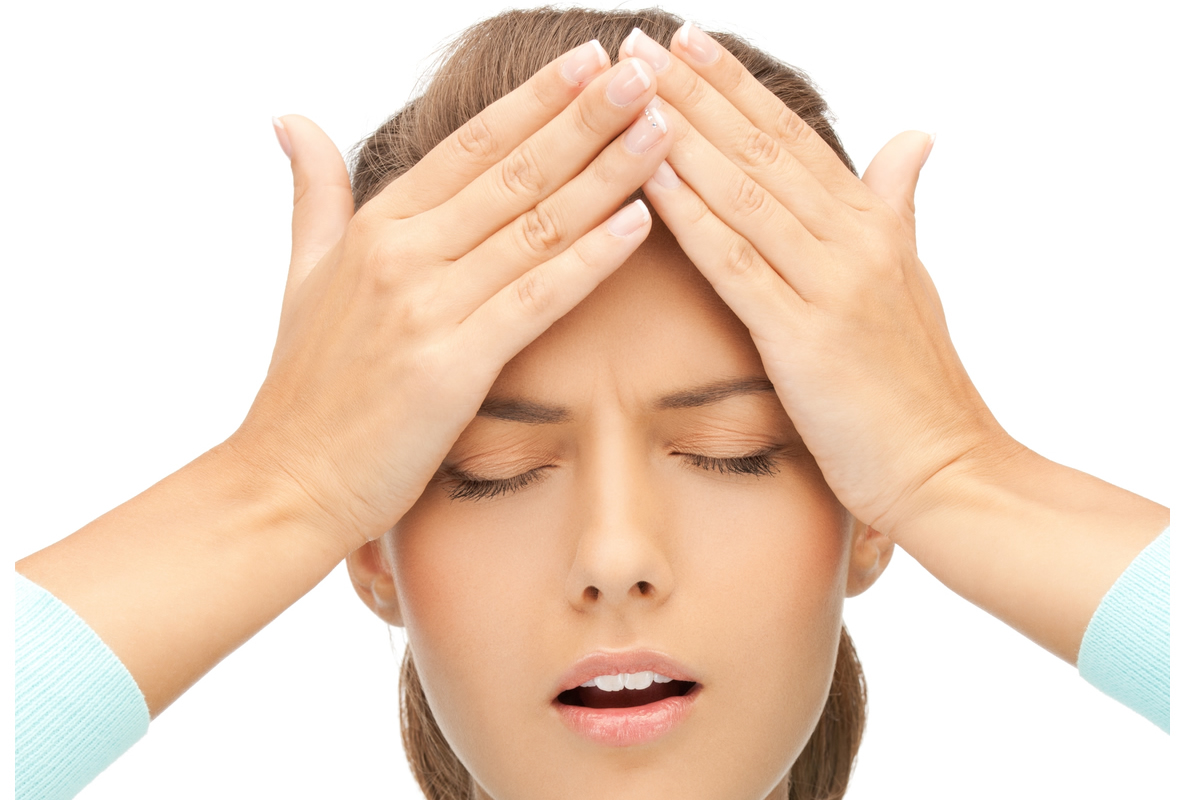
Curing Headaches and Migraines with Bowen Therapy
| NB: If you suspect you might be suffering from a secondary headache, it is advisable to seek immediate medical attention! |
There is little research to confirm the exact cause of Primary headaches. Primary headaches occur because of physical or emotional stress placed on the body.
For example, these stressors can cause the muscles surrounding the skull to clench the teeth and go into spasm. Physical stressors include difficult and prolonged manual labour, or sitting at a desk or computer for long periods of time concentrating. Emotional stress also may cause tension headaches by causing the muscles surrounding the skull to contract.
|
|
|
|
- Pain that begins in the back of the head and upper neck and is described as a band-like tightness or pressure. It may spread to encircle the head.
- The most intense pressure may be felt at the temples or over the eyebrows.
- The pain can vary in intensity but usually is not disabling, meaning that the sufferer may continue with daily activities. The pain usually is bilateral (affecting both sides of the head).
- The pain is not associated with an aura (see below), nausea, vomiting, or sensitivity to light and sound.
- The pain occurs sporadically (infrequently and without a pattern) but can occur frequently and even daily in some people.
- The pain allows most people to function normally, despite the headache.
- During the period in which the cluster headaches occur, pain typically occurs once or twice daily, but some patients may experience pain more than twice daily.
- Each episode of pain lasts from 30 to 90 minutes.
- Attacks tend to occur at about the same time every day and often awaken the patient at night from a sound sleep.
- The pain typically is excruciating and located around or behind one eye.
- Some patients describe the pain as feeling like a hot poker in the eye. The affected eye may become red, inflamed, and watery.
- The nose on the affected side may become congested and runny.
The key to making the diagnosis of any headache is the history given by the patient. The health care professional will ask questions about the headache to try to help make the diagnosis. The questions are designed to provide insight into the quality, quantity, and duration of the pain.
Guidelines have been set out to evaluate and manage adult patients who have a non-traumatic headache of acute onset.
Statistically, headaches are most likely to be primary (non serious and self-limiting). Certain specific secondary headache symptoms may demand specific treatment or may be warning signals of more serious disorders. Differentiating between primary and secondary headaches can sometimes be difficult.
As it is often difficult for patients to recall the precise details regarding each headache, it is often useful for the sufferer to fill-out a “headache diary” detailing the characteristics of the headache.
The diagnosis by the health care professional will establish whether the headache is a primary or secondary headache. Secondary headaches are generally distinguished by neurological symptoms that accompany a very severe headache—your doctor can give you a neurological examination to rule out a secondary headache.
If in doubt about the type of head pain you are dealing with, consult your doctor.
- Painkillers – such as aspirin, acetaminophen (paracetamol, Tylenol), naproxen and ibuprofen. Prescription drugs are also available for more severe symptoms, including naproxen, indomethacin and ketorolac.
- Patients with severe migraine or headache who are hospitalized may benefit from intravenous medications.
- Combination drugs – aspirin or acetaminophen may be combined with a sedative or caffeine.
- Triptans and opiates – for sufferers of both migraines and tension headaches. Triptans are effective in relieving the symptoms of both tension headaches and migraines. With opiates there is a risk of dependency and unpleasant side effects.
Hot or cold showers – some people find that taking a shower helps. While one person may benefit from a hot shower, others may find a cold one gives better results.
Lifestyle – some simple changes in lifestyle may reduce, and sometimes completely eliminate the recurrence of headaches. Getting enough sleep, doing plenty of exercise, stretching the neck and back muscles regularly may be all you need.
Diet – are you eating properly? A good diet with plenty of fruit, vegetables, minerals and fiber will help you stay in good health and might help reduce the intensity and frequency of your headaches.
Depression – if the tension headache is chronic (long-term), there is a chance you could be suffering from depression.
Stretching and strengthening modalities – Yoga and Pilates create flexibility and strength throughout the body. Helping to release tension and engage core muscles which improve balance and posture as well as create mobility throughout the body. This will help reduce the risk of musculoskeletal and physiological dysfunction which catalyses the onset of the headache.
A headache diary – if you keep a diary it may help you identify your headache triggers. When a headache starts write down when it started, include notes of what you drank and ate during the previous 24 hours. Note down how long you had slept, whether it was a good night’s sleep, when you slept. Record in your diary what was happening in your life immediately prior to the onset of your headache – were you under unusual stress? Write down how long the headache lasted, and if you can, what made it stop.
Bowen Therapy is a holistic healing modality. This means that no ailment is treated in isolation – the entire body is addressed as a whole. This is particularly effective in the treatment of headaches and migraines, which may have multiple potential causes.
Allopathic treatments are largely focused on the symptoms (such as the throbbing pain in your head) as opposed to the cause – which may originate from one or more underlying musculoskeletal and/or physiological dysfunctions.
Bowen Therapy offers an effective alternative treatment for both acute and chronic primary headaches, including migraines, tension headaches, cluster headaches, etc. Bowen Therapy is a natural, holistic approach to healing, using precise, targeted stimuli to activate the central nervous system – addressing dysfunctions within the body and activating the body’s natural ability for self-regulation and healing – thus restoring balance. This is referred to as “homeostasis”.
Please see the Science of Bowen Therapy section for more information.
Secondary headaches require immediate medical attention, as they are attributed to potentially life-threatening ailments, which may require chronic medication and/or surgical intervention. Bowen Therapy does, however offer alternative/complementary post-treatment options. Bowen Therapy can work alongside allopathic treatments to support the healing process, improve overall health and well-being and strengthen the immune system.
For more information regarding Bowen Therapy, and how this treatment can assist you, please do not hesitate to contact us.
Article by: http://www.bodydynamics.pro/